


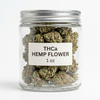
What Is THCa vs THC? Understanding the Difference
, by PriceCatchCBD Community, 2 min reading time
, by PriceCatchCBD Community, 2 min reading time
As hemp products continue to grow in popularity, many customers are asking the same question: What’s the difference between THCa and THC? While the two cannabinoids are closely related, they are not exactly the same — and understanding how they work can help consumers make more informed choices when shopping for hemp products.
What Is THCa?
THCa (tetrahydrocannabinolic acid) is a naturally occurring cannabinoid found in raw and freshly harvested hemp and cannabis plants. In its raw form, THCa is considered non-intoxicating, meaning it does not produce the same psychoactive effects commonly associated with THC.
THCa is commonly found in:
THCa hemp flower
THCa pre-rolls
Fresh hemp material
Concentrates and extracts
Many consumers are interested in THCa hemp products because they contain federally compliant hemp-derived cannabinoids while offering rich terpene profiles and premium flower experiences.
What Is THC?
THC (tetrahydrocannabinol) is the cannabinoid most commonly associated with the psychoactive effects of cannabis. THC is created when THCa is exposed to heat through a process called decarboxylation.
This happens when hemp flower is:
Smoked
Vaped
Heated during cooking or processing
During this process, THCa converts into THC.
How Are THCa and THC Different?
The main difference is that THCa exists naturally in raw hemp flower, while THC is formed after heat is applied.
THCa:
Found in raw hemp
Non-intoxicating in raw form
Present before heating
THC:
Created after heating THCa
Produces psychoactive effects
Activated through combustion or vaporization
Why Are THCa Products Popular?
THCa hemp flower and pre-rolls have become increasingly popular among hemp consumers because they offer premium hemp experiences while remaining compliant with federal hemp regulations requiring products to contain no more than 0.3% Delta-9 THC by dry weight.
Customers often explore different strain types depending on their preferences:
Indica for relaxing experiences
Sativa for uplifting daytime use
Hybrid for balanced effects
Understanding Hemp Compliance
Federally compliant hemp products are required to contain no more than 0.3% Delta-9 THC by dry weight under current hemp regulations. However, hemp laws and regulations may vary by state, so customers should always review local laws before purchasing hemp products.
Final Thoughts
Understanding the difference between THCa and THC can help consumers better navigate the growing hemp market. Whether you prefer flower, pre-rolls, gummies, or other hemp products, learning about cannabinoids and strain types is a great way to find products that match your personal preferences and lifestyle.
At PriceCatch, we’re committed to offering compliant hemp products along with educational resources to help customers make informed decisions with confidence.